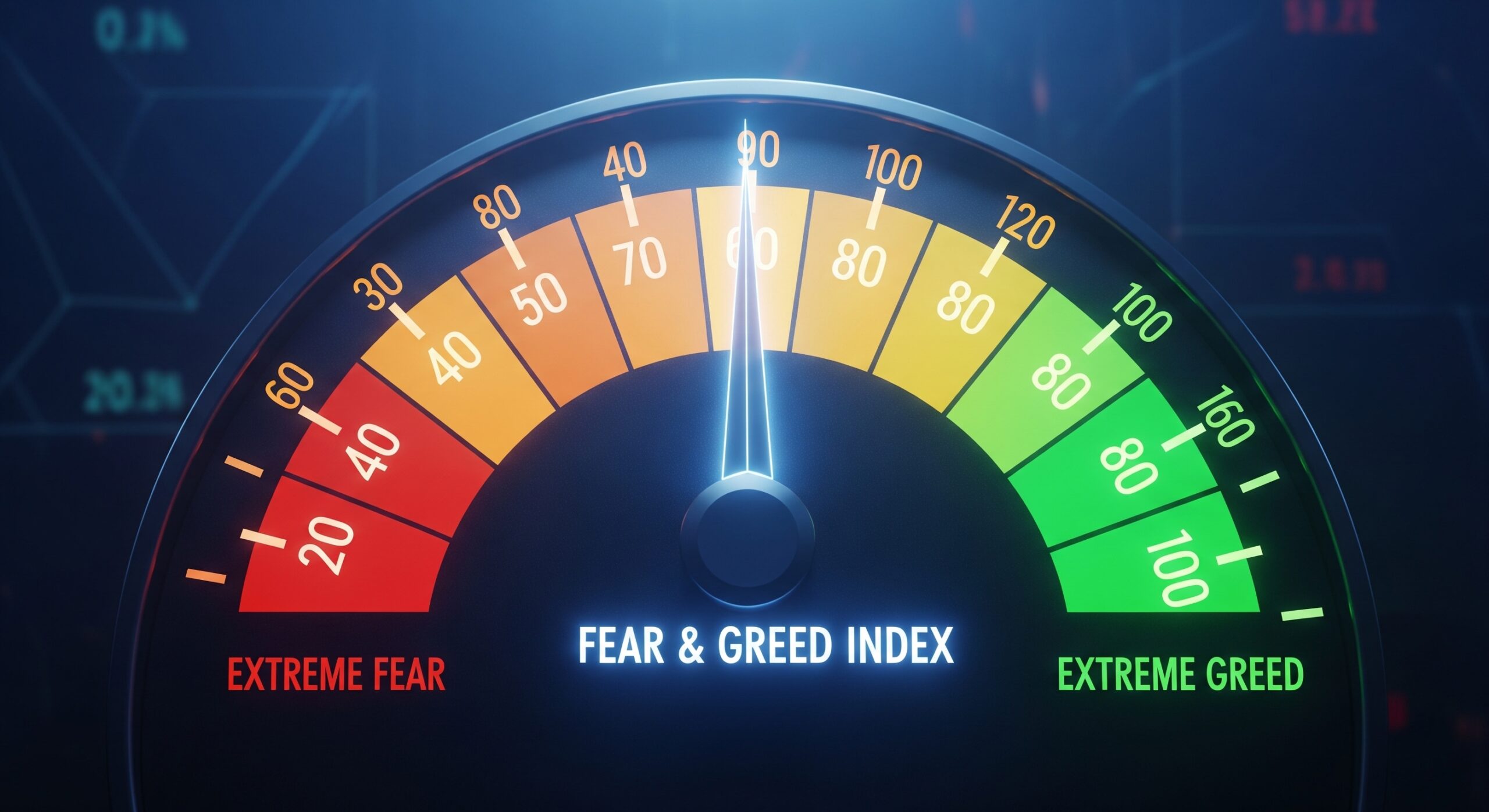
If you just discovered the fear and greed index for beginners and you’re not sure whether to take it seriously—you’re in exactly the right place. Can you actually trust the crypto fear and greed index? Short answer — yes, but not the way most people use it. Most people look at it and follow the crowd. The ones who actually profit from it do the opposite. The index is a market sentiment indicator that scores crypto emotion on a scale of 0 to 100. Zero is pure panic. 100 is pure euphoria. And the real edge? It comes from understanding that extreme readings — in either direction — are usually when the most money gets made or lost. Let me show you exactly how that works.
Why People Even Start Watching the Crypto Market
Let me be honest about why most people get into crypto in the first place.
It’s not because they read a whitepaper. It’s not because they deeply believe in decentralization. It’s because someone in their circle—a friend, a cousin, or a coworker—made money. Real money. And they want in.
⚡ Featured Web3 Resource
Verify smart contracts, track on-chain assets, and audit token security instantly using our recommended platform.
Access Verified Web3 Tool →That’s not a bad reason. That’s human. I got in for a similar reason back when I first started watching Bitcoin move. What I didn’t realize was that getting in is the easy part. Knowing when to get in and out — that’s where 90% of people quietly bleed money without understanding why.
The fear and greed index didn’t exist when I first started paying serious attention to crypto. When I finally found it, it felt like someone had handed me a map I’d been missing for years. Not a perfect map. But a map.
Okay—What Exactly Is the Crypto Fear and Greed Index?
Think of it like this. You know how you can walk into a room and immediately feel the energy? Some days the market feels electric—everyone’s buying, Twitter is celebrating, and there are green candles everywhere. Other days it feels like a funeral. Red everywhere. People posting about selling everything.
The crypto fear and greed index—or crypto fear greed index, as most people just call it—puts a number on that feeling.
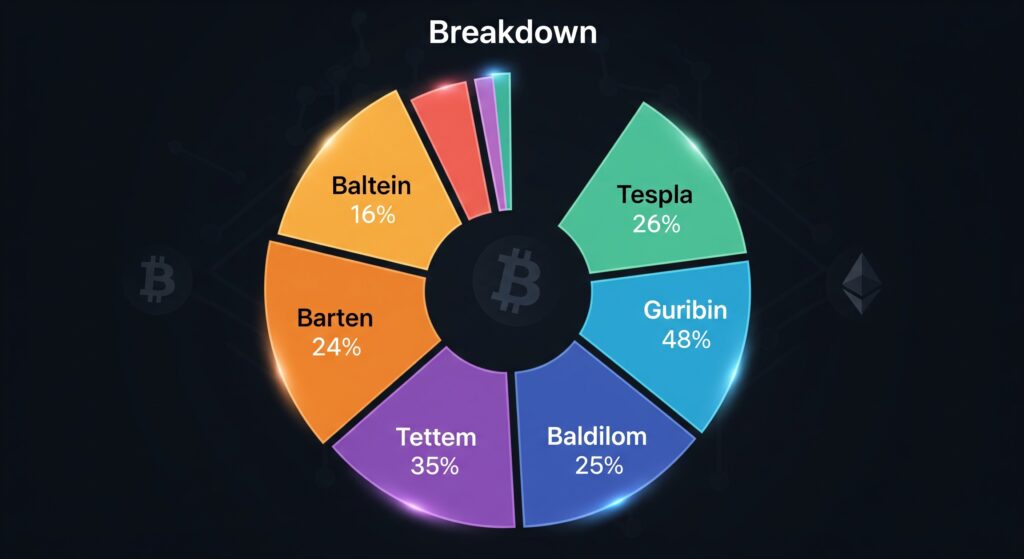
It’s calculated daily by Alternative.me It pulls data from six different sources to build its score:
- Volatility (25%) — how wildly Bitcoin is swinging compared to its recent average
- Market momentum and volume (25%) — is buying pressure strong or weak right now
- Social media sentiment (15%) — what’s the tone of crypto conversations online
- Surveys (15%) — direct polling of market participants on how they feel. Worth noting, though—this component is the least consistent of the six. Alternative.me has acknowledged that survey data is sparse, and in many periods it’s modeled rather than freshly collected. So treat this 15% as approximate, not precise
- Bitcoin dominance (10%) — when dominance rises, it often signals fear; when it drops, greed is returning (link this to your Market Cap article — the Bitcoin dominance section explains exactly why this matters)
- Google Trends (10%) — are people searching “bitcoin crash” or “how to buy bitcoin.”
Put all of that together, and you get one clean number between 0 and 100. Simple to read. Powerful when you know what to do with it.
The Scale — What Each Zone Actually Means
Here’s how to read the zones. And I mean actually read them — not just glance at the number.
0–24 — Extreme Fear
The market is panicking. People are selling. You’ll see headlines about crypto dying. Social media is full of regret. This is the zone that feels the worst to be in—and historically, it’s often the best time to be buying.
Warren Buffett’s line—”be fearful when others are greedy and greedy when others are fearful”—was written for stock markets, but it describes crypto even more accurately. The extreme fear crypto meaning is simple: the market has overcorrected emotionally. Assets are often priced below what fundamentals justify.
But here’s what nobody warns you about, and this is important.
Extreme fear doesn’t have an expiry date. The index can sit at 8, 11, or 14 for weeks. Sometimes longer. I’ve watched it stay in extreme fear territory for nearly two months straight during a prolonged crypto winter. People who read “extreme fear = buying opportunity,” went in heavy on day one, and then watched their position bleed another 35% over the next six weeks—those people didn’t do anything wrong strategically. They just didn’t know about the lag.
The index tells you the environment is right for careful accumulation. It does not tell you that today is the bottom. Tuesday might not be the bottom. Neither might the following Tuesday.
That’s exactly why I spread entries across time—never one single buy when the index hits a low number. A little this week, a little next week, a little the week after. If it drops further, you have dry powder left. If it recovers, you’re already in. That approach only works if you know the lag exists.
25–49 — Fear
Caution is in the air. Not panic, but unease. People are watching more than they’re acting. This is where careful accumulation often makes sense if your research supports it.
50–74 — Greed
The mood is positive. Gains are happening. New people are entering the market. This is also where discipline starts mattering more than conviction. You don’t need to sell everything—but start asking yourself: what’s my exit plan for each position? At what price do I take 25% off the table? Having that answer before greed fully sets in is what separates a planned exit from a panic exit.
75–100 — Extreme Greed
This is the danger zone. And I say that from personal experience.
The extreme greed crypto meaning isn’t just “people are happy.” It means the market is running on emotion, not logic. People are buying things they don’t understand because the number keeps going up. This is where bubbles live. And this is where I made one of my biggest mistakes.
My Personal Case Study — The Time Extreme Greed Almost Wrecked Me
It was late in a bull cycle. The index had been sitting above 80 for about three weeks straight. Everything I touched went up. I started believing I was smarter than I was.
I moved a significant chunk into a mid-cap altcoin that had been running hard — up 340% in six weeks. The fear and greed index was at 91. Extreme greed. I saw it. I just didn’t respect it.
Two weeks later, the index dropped to 28. My position was down 67%.
Here’s the thing—the index didn’t lie. It told me exactly where we were. I just convinced myself that this time was different. It wasn’t. It never is.
That lesson cost me real money. But it also taught me the most important thing I know about this index: it’s not a signal to follow. It’s a mirror. It shows you where the crowd is emotionally so you can decide whether to go with them or against them.
This is why crypto investor psychology matters more than most people admit. The market doesn’t move on charts alone — it moves on how millions of people feel about those charts. And the fear and greed index is the closest thing we have to reading that feeling in real time.
How the Fear and Greed Index Connects to Altcoins
This is the part most articles skip. And it’s actually where the index gets really useful.
The fear and greed index for altcoins doesn’t work in isolation. It works in combination with Bitcoin dominance.
Here’s the pattern I’ve watched play out multiple times:
When the index moves from extreme fear back toward neutral — say, from 15 up to 45 — Bitcoin usually leads the recovery. Dominance rises. Altcoins lag behind.
Then, as the index pushes into greed territory—55, 60, 65—Bitcoin dominance starts to fall. Capital rotates. Altcoins start running. This is what people call altcoin season.
Then, when the index hits extreme greed—80 plus—altcoins often go parabolic. Meme coins 10x in a week. Everyone’s a genius. And then it reverses hard.
Knowing this cycle doesn’t make you bulletproof. But it gives you context that most people trading next to you simply don’t have.
The CMC Crypto Fear and Greed Index — Same Thing?
You might have seen the CMC crypto fear and greed index on CoinMarketCap and wondered if it’s different from the Alternative.me version.
The methodology is slightly different — CoinMarketCap uses its own data sources and weightings. But both tell the same broad story. Neither is more “correct.” Think of them like two thermometers. They might read 98.4°F and 98.6°F — same fever, slightly different instrument.
I personally reference both when I’m making a decision on a larger position. If they diverge significantly, that itself tells me something—the signal is mixed, and I should be more cautious.
Does the Fear and Greed Index Work for Stocks Too?
Yes — and this is worth knowing because the two markets increasingly affect each other.
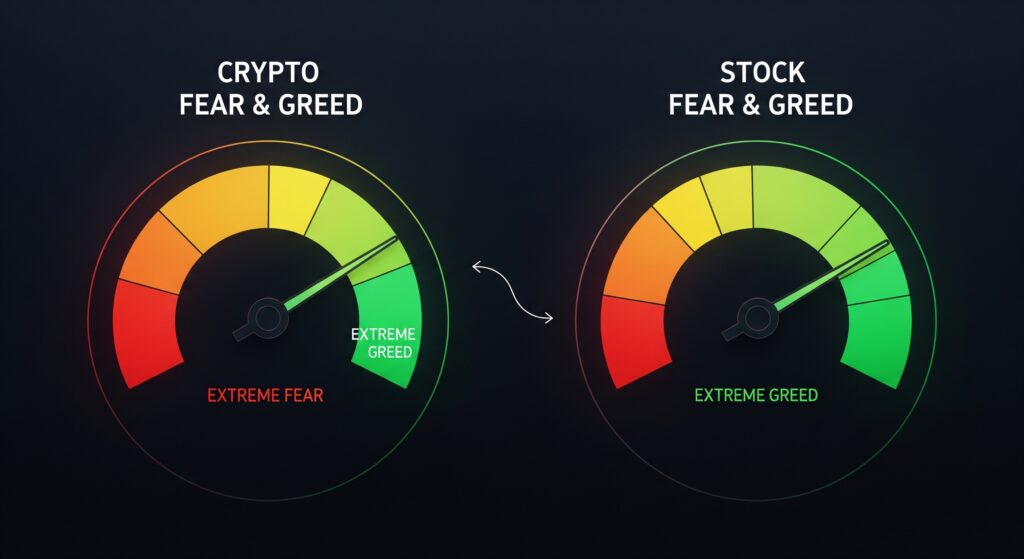
The stock market fear and greed index—built by CNN—measures investor sentiment across traditional equities. A lot of people search “fear and greed index stocks” expecting a crypto tool, but this one is built purely for traditional markets. The two are separate instruments, though they often move in the same direction. It uses indicators like market momentum, safe-haven demand, junk bond demand, and put/call ratios.
Here’s what I’ve noticed: when the stock fear and greed index hits extreme fear, crypto often gets dragged down with it—even if nothing fundamentally changed in crypto specifically. Institutional investors who hold both will reduce risk across the board. They sell crypto the same way they sell equities when panic hits.
The reverse is also true. When the stock fear and greed index shows extreme greed, risk appetite spills over into crypto. Money that feels confident in stocks often looks for “more upside” and finds it in digital assets. So tracking both gives you a fuller picture of where global risk appetite sits.
How I Actually Use This Index—Not Theory, Real Process
Let me walk you through exactly what I do. Not what sounds smart. What I actually do.
When the index is at Extreme Fear (0–24):
I open my watchlist and start looking at the market assets I’ve already researched and believe in. I pick one or two positions and start building slowly. Not all at once — I spread it over a week or two in case it drops further.
When the index is at Fear (25–49):
I keep watching. Sometimes I add to existing positions. I don’t chase pumps. I look for volume patterns that suggest the selling is drying up.
When the index moves into Greed (50–74):
I stop adding new positions. I review what I’m holding. I start setting mental targets—at what point do I take some profit off the table?
When the index hits Extreme Greed (75–100):
I take profits. Not everything. But real, actual profits. Into stablecoins or cash. And I stop looking at the chart every hour because that’s how greed convinces you to hold too long. I learned this the hard way—the story I told you earlier.
The Mistake Everyone Makes With This Index
Here’s the trap.
Most people use the fear and greed index as a confirmation tool. The market is at extreme greed—they’re already holding a coin that’s up 200%—and they look at the index and think, “See, everyone’s bullish; I should hold it.”
That’s backwards.
The index is most useful as a contrarian signal. Its value comes from telling you when the crowd’s emotion has outrun reality. When everyone is greedy, that’s exactly when you should be questioning your positions. When everyone is fearful, that’s when you should be doing your research.
It doesn’t tell you what to buy. It tells you when the emotional environment is skewed enough to create opportunity — or risk.
Use it as one input. Not the only one. Pair it with:
- Market cap analysis to understand position sizing.
- Bitcoin price levels to understand where key support and resistance sit.
- Macro conditions like inflation data and central bank decisions.
- Your own research on the specific asset you’re looking at.
A Real Scenario — What Extreme Fear Looked Like in Practice
In one of crypto’s bigger correction periods, the fear and greed index dropped to 11. Eleven. Deep in the red.
Headlines were brutal. “Bitcoin is finished.” “Crypto winter is permanent.” Social media was a sea of loss posts.
I watched the index sit at those levels for nearly three weeks. Every day it stayed in extreme fear, I added a small position to Bitcoin and one large-cap altcoin I had conviction in. Not a massive amount—sized so that if it dropped another 40%, I could still sleep.
Three months later, the index had climbed back to 62. My positions were up significantly. Not because I’m a genius. Because I had a framework that told me where the crowd’s emotion was, and I used it instead of being swept up in it.
That’s not luck. That’s a repeatable process.
Should You Use It? Honest Answer.
Yes. With two conditions.
First, you need a plan written down before you open the chart. What will you do if the index hits 15? What will you do if it hits 85? If you don’t have answers to those questions before the moment arrives, the emotion of that moment will answer them for you. And it won’t answer them well.
Second, you need to accept that the index will be wrong sometimes. Not often. But sometimes. No single tool wins every time in this market. The fear and greed index is a probability tool, not a guarantee. Use it to tilt the odds in your favor — not as a reason to go all in.
That combination — a written plan plus realistic expectations — is what makes this index genuinely useful instead of just interesting.
The Bottom Line
The crypto fear and greed index is one of the most genuinely useful free tools in this market. It won’t tell you exactly when the bottom is in or exactly when the top hits. Nothing does that reliably.
What it does is give you a real-time read on where collective emotion sits — and whether that emotion has created a gap between price and reality that you can use.
Use it as a mirror, not a crystal ball. Combine it with solid research on market cap (link this → to your Market Cap article), your understanding of Bitcoin’s key price levels (link this → to your Bitcoin Price Prediction 2026 article on ammarmagazine.site), and a clear plan for what you’ll do at each zone before you’re in the heat of the moment.
The investors who get wrecked aren’t usually the ones who ignored this index. They’re the ones who saw it, understood it—and had no plan for what to do with that information when the pressure was real.
Now you have the plan. The zones, the lag, the altcoin rotation, the stock connection, and the process. That’s not something most people sitting next to you in this market have.
Use it well.
FAQ — Crypto Fear & Greed Index
Q1: What is the crypto fear and greed index?
The crypto fear and greed index is a daily market sentiment indicator that scores the overall emotion of the crypto market on a scale of 0 to 100. Zero means extreme fear—the market is panicking, and people are selling. 100 means extreme greed—the market is euphoric, and people are buying without thinking. It’s calculated by Alternative.me using six data sources: volatility, market momentum, social media sentiment, surveys, Bitcoin dominance, and Google Trends.
Q2: Should I buy crypto when the fear and greed index is low?
A low reading—especially below 25—historically signals that the market has overcorrected emotionally and assets may be underpriced. Many experienced investors use extreme fear as a buying window. But—and this is important—extreme fear can last weeks or even months before any recovery happens. Never go all in on a single day because the number looks low. Spread your entries over time and only invest what you can genuinely afford to hold through further drops.
Q3: What does extreme greed mean in crypto?
Extreme greed—a score above 75—means the market is running on emotion rather than logic. People are buying things they don’t fully understand because prices keep going up. Historically, extreme greed readings have preceded sharp corrections. It doesn’t mean a crash is guaranteed tomorrow. It means the risk in the market is higher than it looks, and it’s a signal to review your positions and have an exit plan ready—not to keep adding.
Q4: Is the crypto fear and greed index the same as the stock market fear and greed index?
No—they are two separate tools. The crypto fear and greed index is built by Alternative.me and measures sentiment specifically in the cryptocurrency market using crypto-specific data like Bitcoin dominance and crypto social media. The stock market fear and greed index is built by CNN and measures sentiment in traditional equity markets using indicators like put/call ratios and safe-haven demand. They often move in the same direction during broad market events, but they are independent instruments measuring different markets.
Q5: How accurate is the crypto fear and greed index?
It’s a useful indicator—not a guaranteed signal. It accurately reflects where collective market emotion sits at any given moment. What it cannot do is tell you exactly when a bottom or top occurs, how long an extreme reading will last, or what any individual coin will do. Treat it as one input in a broader decision process—combine it with market cap analysis (link this to your Market Cap article), Bitcoin price levels (link this to your Bitcoin Price Prediction 2026 article), and your own research on the specific asset you’re considering.
Q6: What is a good fear and greed index number to buy crypto?
There is no single magic number. Generally, readings below 30 suggest the market is fearful enough that value opportunities may exist. Readings below 20—deep extreme fear— are historically where the most significant buying opportunities have appeared. But the index alone should never be your only reason to buy. Use it to identify the emotional environment, then do your homework on what you’re actually buying and why.
Q7: How often does the crypto fear and greed index update?
The index updates once every 24 hours. Alternative.me publishes a new score daily based on the previous day’s data. For most investors, this is more than enough—crypto sentiment doesn’t shift meaningfully hour to hour in ways the index is designed to capture. If you’re checking it multiple times a day looking for signals, you’re using it for the wrong purpose.

Ammar Malik is an independent digital asset researcher and the founder of AmmarMagazine. He specializes in analyzing on-chain security and evaluating technical tools. Through clear, objective crypto resources, Ammar Malik delivers accessible Web3 education to help everyday users navigate the market safely.