Okay, let me tell you about the ten scariest minutes of my crypto journey. I got a message one night — “Congratulations, you’ve been picked for early access to a private mining pool. Send 0.5 ETH, get double back in 48 hours. “And I’m not exaggerating when I say I actually sat there thinking about it. Me. Someone who’d already been in crypto for three years at that point.
That’s what nobody warns you about with cryptocurrency scams — they don’t catch you because you’re dumb. They catch you because they’re built by people who know exactly which buttons to press in your brain. Greed, hope, and a little bit of “What if this is real?” I’ve watched friends lose real money to this stuff. I almost lost mine too. And honestly, after years of sitting on the other side of this — helping people manage their crypto, cleaning up messes after the fact — I can tell you the scams in 2026 are sharper and way more convincing than what we saw back in 2021.
So grab a coffee, because this isn’t going to be one of those dry “here are 10 tips” articles. I want to walk you through this the way I’d explain it to a friend over dinner — so next time someone tries to pull this on you, you already know their playbook.
⚡ Featured Web3 Resource
Verify smart contracts, track on-chain assets, and audit token security instantly using our recommended platform.
Access Verified Web3 Tool →Why Are So Many People Rushing Into Crypto Anyway?
Here’s the honest answer — and it’s the same reason scams keep growing too. People are tired of watching their savings sit in a bank account doing basically nothing while prices go up. They’ve heard the stories about early Bitcoin buyers turning small bets into life-changing money. And let’s be real, buying crypto now takes about five minutes on your phone. It’s never been this easy to get in.
If you’re still on the fence about whether you should even be doing this, I actually wrote a whole piece on “Should I invest in crypto?” that’s worth reading first. Because here’s the thing — the excitement you’re feeling right now? Scammers feel it too. They know it better than most legit advisors do, honestly. And they build their entire pitch around it.
Why This Stuff Actually Matters to You
I’ll just say it straight — you could pick the right coins, time the market like a genius, and still walk away with nothing because of one bad click. A bad trade, you can recover from. A scam? Rarely. That’s the real reason I’m writing this. Not to scare you off crypto, but because understanding how scams work is basically the entry fee for being in this space at all.
Once you actually understand how a crypto wallet works, or how a smart contract runs on its own without some “verification agent” involved — you start seeing right through the fake promises. Scammers count on you not knowing the basics. Honestly, knowing this stuff is your best security feature. Better than any app.
A Quick Story From My Own Desk
A while back, I was helping a client with her portfolio, and she got a phone call — an actual call, not even a message — from someone claiming to be “compliance support” at a major exchange. They told her flat out her account was flagged for suspicious activity, and if she didn’t move her funds to a “secure verification wallet” right now, it would be frozen forever.
She called me, obviously freaking out. And I told her one thing that I still tell everyone today: no real exchange will ever ask you to move your funds to “verify” anything. That’s just not how it works. We hung up on them, opened the official app ourselves, and yep — her account was completely fine. That scammer had even built a fake support chat that looked totally real, just to catch someone in a panic.
That’s the pattern I really want you to remember. Scams don’t outsmart you. They out-emotionally you. Fear, urgency, greed, loneliness — pick one, and that’s the door they’ll try to walk through. Once you know that, you naturally pause before you click. And that pause? That’s literally all you need most of the time.
The Scams You’ll Actually Run Into
Let me walk you through the ones I see over and over. Not textbook definitions — just what they actually look like in real life.
Phishing links pretending to be your exchange.
You know that email that looks exactly like it’s from your exchange? Asking you to “reconnect your wallet”? Don’t click it. The second you approve that transaction, your wallet’s empty, no questions asked. I made this a hard rule for myself years ago — never click exchange links from an email. Type the address yourself. Every single time, no exceptions.
The romance angle.
Now this one gets me the most, and it’s not really about money at first. It starts on a dating app. Weeks of talking, sometimes months. You build something that genuinely feels real. Then one day, almost casually, they mention this “incredible” investment they’re doing on the side. Want in? By the time you realize the platform’s fake, both the money and the person you thought you knew are gone. I’ve watched this wreck people emotionally way more than it ever hurt them financially.
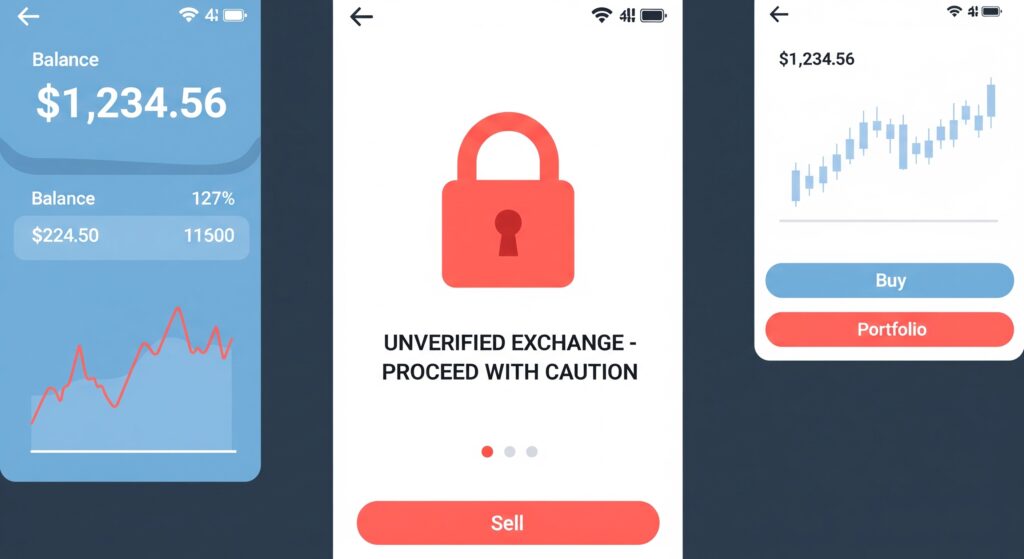
Fake exchanges that look completely legit.
Here’s a fun one — you sign up, you deposit, and your dashboard shows your balance growing nicely. Feels great, right? Except none of it’s real. It’s just numbers someone typed in for you to look at. Try to actually withdraw, though, and suddenly there’s a “tax” or “processing fee” standing in your way. Pay it, and poof — the whole site’s gone the next morning.
Mining pools that don’t actually mine anything.
You put money in, you’re promised a cut of the profits from some “cloud mining rig.” Except there’s no rig. There never was a rig. It was just your money, and now it’s someone else’s.
The classic pump and dump.
You’ve probably seen this play out already without realizing it. A random new coin suddenly gets hyped everywhere — Telegram, Twitter, and group chats are blowing up. Price shoots up fast because everyone’s terrified of missing out. Then, quietly, the people who started the whole thing sell everything at once. Price crashes. Everyone else is left holding coins worth nothing.
Crypto ATM tricks.
This one usually starts with a phone call. Someone convinces you to walk over to a crypto ATM, feed in cash, and send it to a “safe” wallet address they give you. And here’s the part that really gets me — once that transaction’s confirmed, there’s no undo button. None. It’s just gone.
“Guaranteed” trading bots.
I get asked about this one constantly. Someone promises fixed daily profits through an automated bot, zero risk involved. But real trading just doesn’t work that way — there’s always some risk, always. If you’re curious what legit tools actually look like, I put together a rundown of AI trading bots worth checking. Notice how none of them promise you anything guaranteed.
Two Scams That Should’ve Been Warning Enough for Everyone
I like bringing these up in conversations because once you know them, you start spotting the same pattern everywhere else too.
- OneCoin — sold to people as this revolutionary new cryptocurrency. Except there was no real blockchain behind it. None at all. Investors lost billions before the whole thing fell apart, and the person running it just vanished.
- BitConnect — promised guaranteed daily returns through a “lending” program. Classic Ponzi setup — pay the early investors with money from the new ones until eventually there’s nobody left to pay anyone.
Notice the thread connecting both of these? Guaranteed, fixed returns. That phrase alone should make you nervous every time you hear it. Real crypto moves up and down constantly. Nobody — not a bot, not some guy on Telegram calling himself a “financial mentor” — can guarantee your profit.
How I Personally Spot a Scammer Before They Get Me
- They reach out to you first. You didn’t go looking for them; remember that.
- There’s a countdown attached. “This closes in 2 hours.” Real opportunities just don’t expire that fast.
- They ask you to move funds off a real exchange into a wallet they control.
- They dodge video calls or go vague the second you ask about licensing.
- They promise fixed, “zero risk” returns.
- Their website has no real address, no license info, and no team you can actually find online.
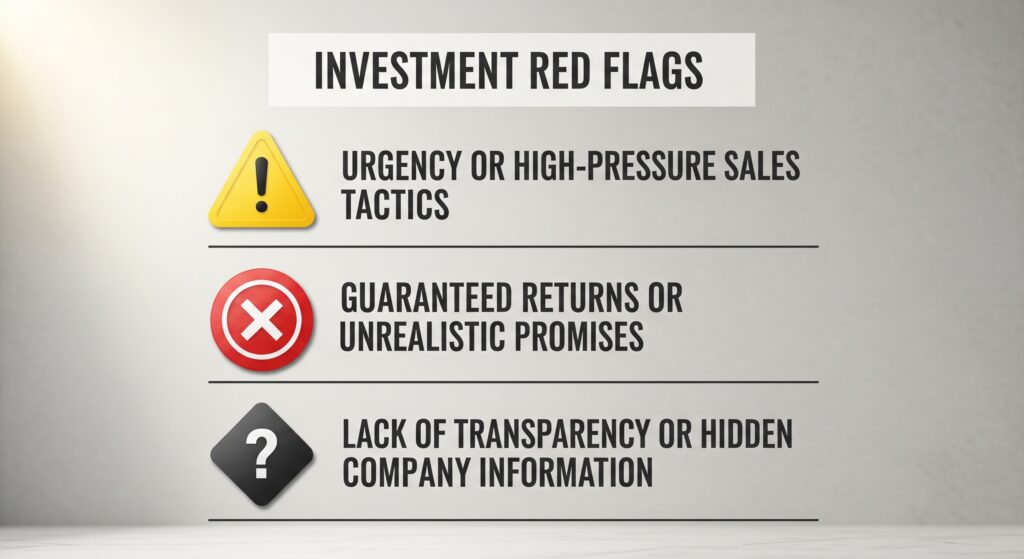
If two or more of these show up, just walk away. Trust me on this one — no opportunity is worth ignoring that gut feeling.
What I Actually Do to Stay Safe
These aren’t tips I copied from somewhere. This is genuinely how I operate day to day and what I tell every single client who asks.
- Stick to well-known, regulated exchanges. If you’re not sure why this matters so much, read up on liquidity in cryptocurrency — it explains why trading volume and reputation actually protect you.
- Move anything long-term into a hardware wallet. I compared some solid options in this hardware wallets guide if you’re picking your first one.
- Use a multisig setup for bigger amounts. One single point of failure is exactly what a scammer’s hoping for — here’s a good multisig wallets list to get you started.
- Never, ever share your seed phrase. Not with “support,” not with a bot, not with your best friend. Nobody legitimate will ever ask you for it.
- Type URLs yourself. Scammers buy near-identical domains that differ by one letter you’d never even notice.
- Give yourself 24 hours before acting on urgency. Every scam I’ve ever picked apart relied on rushing someone. Real deals can wait a day, easily.
So You’ve Been Scammed — Now What?
First things first, don’t beat yourself up over this. It happens to genuinely smart, careful people all the time, more than you’d think. Here’s what actually helps:
- Stop talking to them immediately. No more messages, no more payments, nothing.
- Screenshot everything — chats, wallet addresses, transaction IDs, all of it.
- Report it to your country’s cybercrime unit. In the US, that’s the FBI’s Internet Crime Complaint Center.
- File a complaint with the Federal Trade Commission if you’re in the US.
- Contact your exchange’s fraud team directly through their official app, never through a link someone sent you.
- Be careful with “recovery experts” who suddenly show up after you’ve been scammed. A lot of them are just the same scammers coming back for round two.
I’ll be honest with you, recovery is rare once your funds have left your wallet. Blockchain transactions can’t be undone, period. That’s exactly why everything above, the prevention side of things, matters so much more than trying to fix it afterward.
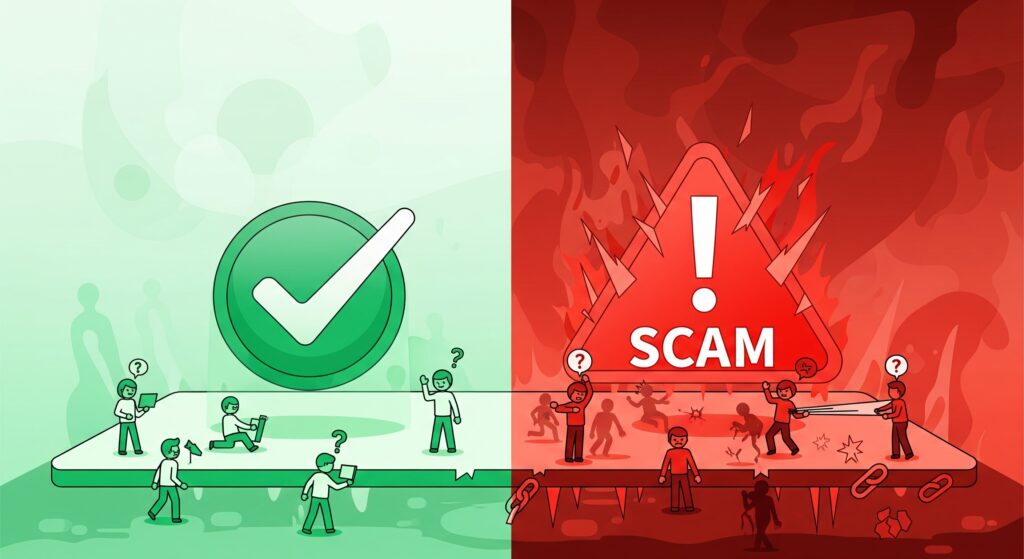
Real Platform vs. Scam Platform — Side by Side
| Signal | Legit Platform | Scam Platform |
|---|---|---|
| Who reaches out first | You contact them | They contact you |
| Returns | Goes up and down with the market | “Guaranteed” fixed daily profit |
| Withdrawals | Same day, no drama | Delayed behind mystery “fees” |
| Company info | Easy to find, registered | Vague or missing entirely |
| Pressure | None | Countdown timers, urgency |
| Support | Official app or verified site only | Random DMs, Telegram groups |
Questions I Get Asked All the Time
Are crypto scams still a big deal in 2026?
Honestly, more than ever. AI-generated voices and deepfake videos of well-known crypto figures are now being used to push fake giveaways, and it’s genuinely hard to tell at a glance anymore.
Can I actually get my money back?
Rarely, and I wish I had better news here. Once a blockchain transaction confirms, it’s permanent. That’s exactly why I keep pushing prevention over cure — there really isn’t a great “undo” option once it’s done.
How do I report a fake exchange?
Report it to your local financial regulator, the site’s hosting provider, and cybercrime agencies like IC3 or whatever the equivalent is where you live.
Should I keep my crypto on an exchange long-term?
For smaller amounts you’re actively trading, sure, that’s fine. But anything you’re holding long-term, move it to a hardware or multisig wallet. Exchanges get hacked, freeze withdrawals, sometimes even collapse entirely, and you don’t want to find that out the hard way.
What’s the one red flag I should never ignore?
A guaranteed return with zero risk. That doesn’t exist. Not in crypto, not anywhere in investing, full stop.
One Last Thing Before You Go
Crypto’s always rewarded the patient and punished the panicked, and scammers just figured out how to fake that panic on purpose. So the next time someone’s rushing you, treat that as your cue to slow down, not speed up. Guard your seed phrase like it’s the key to your house, because that’s basically what it is.
You don’t need to be scared of crypto. You just need to respect it the same way you’d respect anything powerful enough to change your future — slowly, carefully, with your eyes wide open.

Ammar Malik is an independent digital asset researcher and the founder of AmmarMagazine. He specializes in analyzing on-chain security and evaluating technical tools. Through clear, objective crypto resources, Ammar Malik delivers accessible Web3 education to help everyday users navigate the market safely.